I was recently forwarded an article entitled “Will We Always Have Chocolate.” I’d rather ask “how sustainable is the world’s current chocolate habit” and “just what does chocolate mean to the consumer anyway?“
The answer to the first is “not very,” but the answer to the second gives us a relatively basic way to address sustainability. For most if not most of the world’s consumers, chocolate means inexpensive grocery products, such as cakes, cookies, candies, and things with chocolate in? them. The quantity and quality of the chocolate in these items are minimal, and the products rarely taste much like actual chocolate. It’s fair to say consumers would be unable to tell if the chocolate was replaced with non-chocolate products and it often is. Given the recent high price of cacao, I would expect this trend to continue.
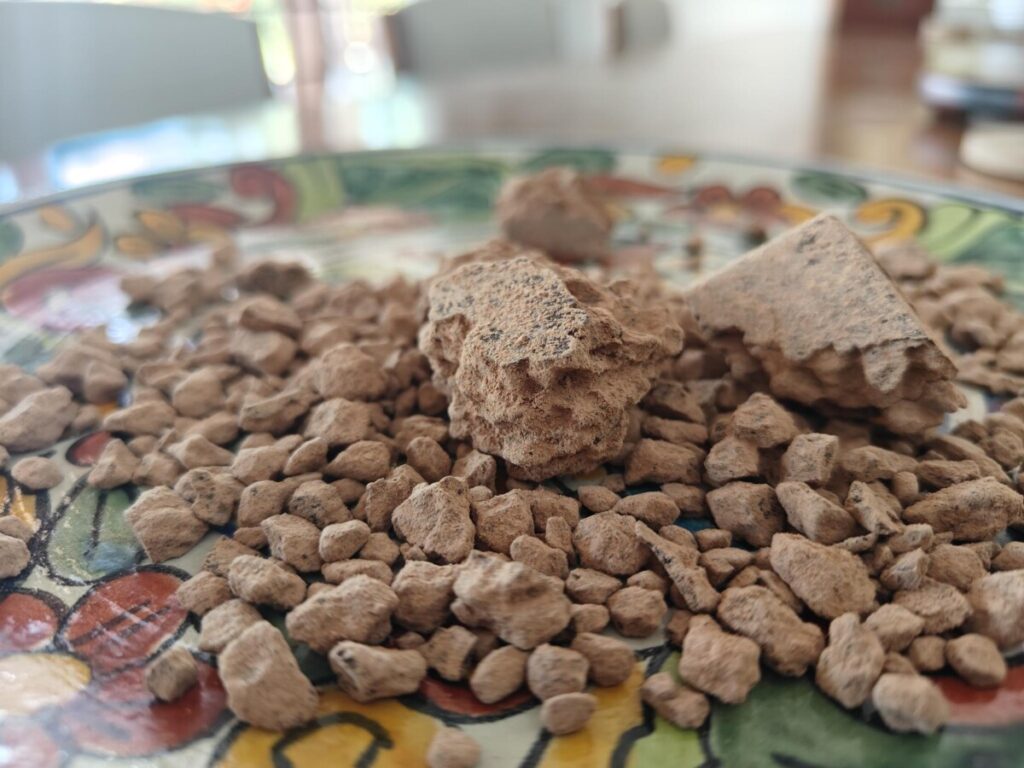
Returning to the topic of sustainability, reduced demand for mass market chocolate might also take pressure off the largest producers–Cote d’Ivoire, Ghana, etc. As an aside, the high price of cacao has made life much better for farmers in regions that specialize in high-quality cacao, such as the Americas, Caribbean, and even Asia. Not so in West Africa, where the governments collaborate with global agribusiness companies to set prices. Reduced demand would probably have the largest effect on Cote d’Ivoire, where farming is largely unregulated and results in massive deforestation. (In general, we see more attempts at responsible farming in Ghana, where efforts have been made to produce higher quality cacao).
I think better questions are “how sustainable is the world’s current chocolate habit” and “just what does chocolate mean to the consumer anyway?“
We will almost certainly always have chocolate, but it wouldn’t be bad for our perception of chocolate change. Chocolate is and always has been a luxury product, even in pre-Colombian societies; it’s a time-consuming and difficult food to produce. Chocolate is and should be precious, and much of the mass-market chocolate in the global supply chain wouldn’t actually be missed if replaced with something that seemed “chocolate-ish.”
FLAVOR IS TRICKY. There are things that taste chocolate and things that taste “brown,” which is to say that you taste them as chocolate because your brain tells you that you should. Chocolate ice cream, for example, almost never tastes like chocolate. Nor most chocolate cakes. Nor 90% of anything else chocolate you eat.
REAL CHOCOLATE, FINE CHOCOLATE, GOOD CHOCOLATE on the other hand is magical and delicious, great for the environment, and beneficial to the farmers. And it will likely always be with us.
You must be logged in to post a comment.